March 12, 2026
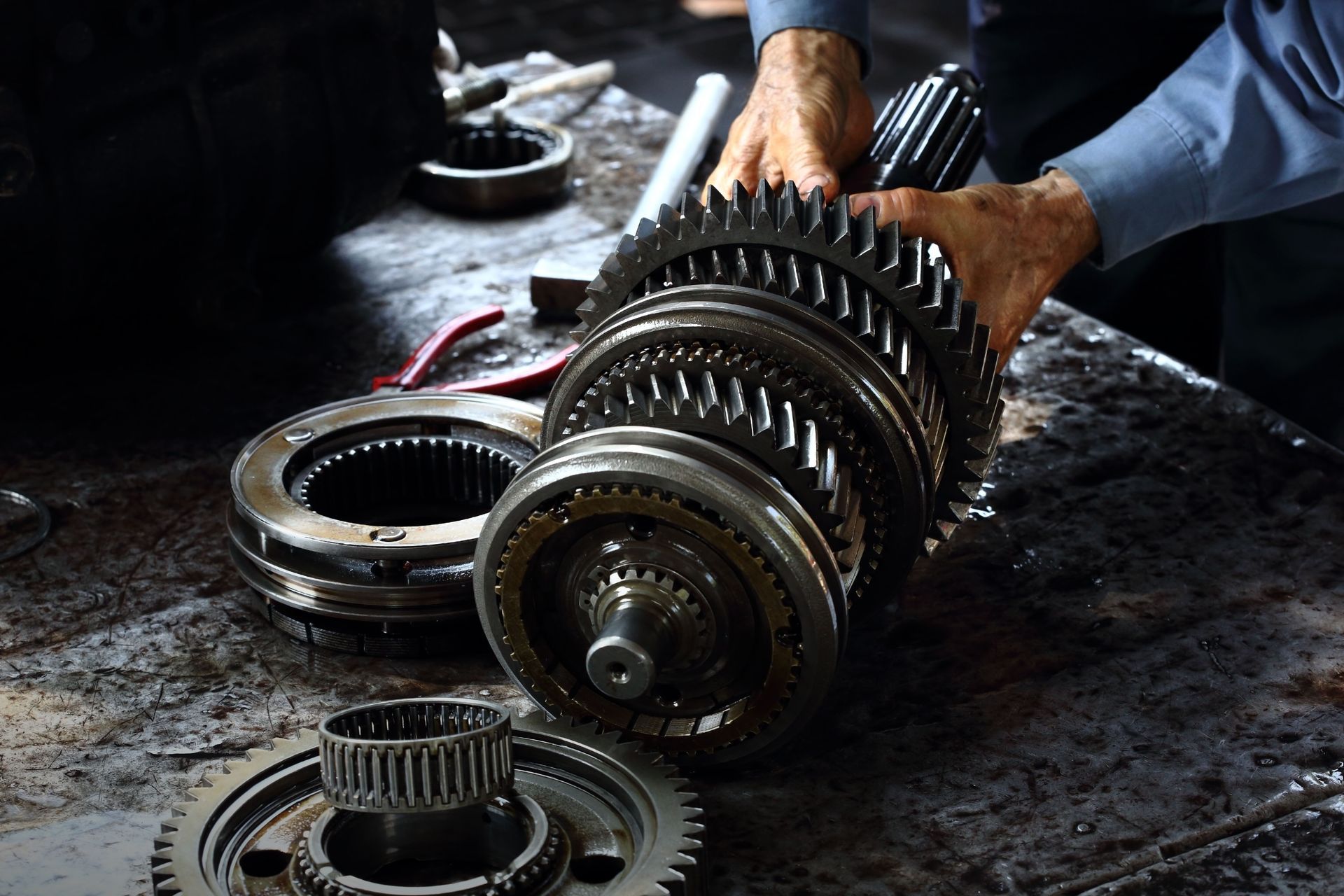
Maintaining a manual transmission vehicle requires vigilance and attention to detail. Drivers familiar with the nuances of manual transmissions can enjoy years of precise control and driving satisfaction. However, as with any complex mechanical system, issues can occur that, if left unaddressed, can lead to significant damage and costly auto repairs. Recognizing warning signs early can serve as a proactive measure, ensuring your manual transmission continues to operate smoothly. This article outlines ten important indicators that suggest your manual transmission could require professional evaluation and maintenance.
1. Unusual Noises
Unusual noises emanating from your vehicle’s transmission can be early indicators of underlying problems. For instance, grinding noises during gear shifts often suggest problematic synchronizers, worn clutch components, or inadequate transmission fluid levels. Left unchecked, these issues may evolve into more serious and costly auto repairs. Such noises may be particularly noticeable when engaging higher gears or shifting at high speeds, suggesting a need for immediate attention to prevent further damage. In some cases, a simple diagnosis by a professional can rectify the issue, while in others, components might need replacement to restore smooth performance.
High-pitched whining noises during acceleration may also indicate issues within the transmission system. Such noises often result from worn bearings, insufficient lubrication, or even mechanical misalignment. These problems, if not addressed promptly, can escalate into severe transmission failure, potentially leaving your vehicle inoperable. Prolonged exposure to whining noises typically emphasizes the need for a professional inspection. By identifying the problem early, you stand a better chance of minimizing auto repair costs and preserving the longevity of your vehicle's transmission system.
Clunking noises when changing gears can be unsettling and often point to loose or damaged components within the transmission. These sounds typically arise when internal parts like gears, shift forks, or bushings experience wear and tear. The clunking noise is also an indication of potential misalignment, which can exacerbate transmission problems if not repaired. Since manual transmissions require precise gear engagement, any abnormal sounds necessitate immediate attention. Getting the vehicle assessed by a trained technician can help identify and rectify issues before they escalate into more severe complications.
2. Difficult Gear Shifting
Difficulty in shifting gears is a sign that a manual transmission may require professional attention. If your gear lever feels unusually stiff and hard to move, it could signal issues within the gearbox or related components. Such stiffness can result from inadequate lubrication, worn linkage, or deteriorated clutch cables. It may lead to a frustrating driving experience as the gear changes become reluctant and less precise. Often, these symptoms necessitate a thorough inspection to pinpoint the root cause and ensure the transmission operates smoothly again.
Another concern, gear slippage, not only frustrates but can also compromise vehicle safety. Gear slippage occurs when a vehicle unexpectedly shifts out of gear, leading to spontaneous deceleration. This behavior points to worn-out gears, stretched cables, or even weakened clutch pedal springs. Frequent slippage could also increase fuel consumption and cause engine over-revving, resulting in diminished vehicle efficiency. Enlisting the help of an expert mechanic can diagnose the exact issue and remediate it, keeping your driving safe and your vehicle reliable.
3. Noticeable Fluid Leaks
Transmission fluid is vital for proper operation, and leaks should be addressed promptly. Signs of leakage under the vehicle often resemble puddles or wet spots beneath the transmission system and can indicate a compromised seal or gasket. Transmission fluid is typically bright red or amber in color when new, but it can darken with use, revealing the state of your system. Ignoring fluid leaks can result in inadequate lubrication, accelerating wear and tear within the transmission components. Regular check-ups can catch these leaks early, accommodate necessary auto repairs, and ensure the preservation of transmission health.
Discolored fluid can be a warning sign of deeper transmission issues. Transmission fluid that appears brown or black often indicates contamination or excessive heat exposure. Contaminated fluid can harbor debris and particles that accelerate component wear, eventually causing malfunctions. It’s crucial to routinely inspect the fluid's condition to circumvent additional complications. Having the fluid analyzed by professionals not only ensures your transmission stays in peak condition but also prevents prohibitive auto repairs associated with neglected maintenance.
When fluid levels are low, the transmission system can overheat, leading to significant internal damage and degraded functionality. Causes of low levels include leaks or evaporation over time. Since manual transmissions account for approximately 3% of cars sold in the United States, according to HowStuffWorks, keeping your vehicle serviced correctly can be particularly critical due to less familiarity among car owners. Regular fluid checks are essential, with professional technicians offering detailed assessments and top-ups as needed. Ensuring you're operating with optimal fluid levels maintains the overall health and reliability of your vehicle.
4. Obvious Clutch Problems
The presence of a burning smell often signals a slipping clutch, where friction surpasses the clutch's tolerance, leading to excessive heat. This slippage can result from worn-out clutch plates, pressure plate misalignment, or driver habits such as resting a foot on the pedal. In manual transmissions, the clutch enables smooth power delivery, which is vital for vehicle performance. Consistent exposure to the burning scent warrants a professional diagnosis to ascertain the clutch's integrity. Corrective actions prevent further damage and aid in maintaining optimal driving dynamics.
Clutch pedal issues also merit attention, as they affect gear engagement directly. A pedal that feels too soft or too hard might suggest problems with the hydraulic system, including fluid leaks or air trapped within the clutch lines. These abnormalities could impair the driver's ability to operate the vehicle safely, making immediate action necessary. Pedal discomfort or response inconsistencies indicate that the transmission needs professional evaluation to ensure driver safety and component longevity. Opting for a professional diagnostic addresses these pedal-related issues, facilitating smooth clutch operation.
5. Poor Performance
Poor vehicle performance can often be traced back to manual transmission issues. Decreased acceleration, for instance, suggests an inefficiency in power transfer from the engine to the wheels. Such a decline might be attributable to a worn clutch, misaligned gears, or loose connections. These performance issues can curtail driving enjoyment and restrict the responsiveness that manual drivers expect. By addressing this with professional attention, vehicle performance can be restored, and the longevity of manual components can be ensured.
Transmission-related power issues directly impact fuel efficiency, as the engine compensates for the power delivery loss by consuming more fuel. Such inefficiencies might manifest as increased fuel consumption during typical driving conditions. Manual transmission problems, inhibiting full power delivery, can arise from slipping gears or a failing clutch system. Identifying and resolving these issues helps restore appropriate power transfer, capitalizing on the fuel economy manual transmissions typically afford. By maintaining an efficient manual transmission, drivers can enjoy both cost savings and a satisfying driving experience.
6. Visible Warning Lights
Dashboard warning lights, such as the transmission warning light, serve as preliminary alerts for potential issues. When illuminated, they suggest the presence of anomalies that require in-depth evaluation. Ignoring these warnings could mask underlying problems, causing them to worsen over time. Consequently, addressing these indicators through diagnostic checks can determine the specific issue and necessary auto repairs. Relying on professional expertise ensures precise diagnostics, aligning with preemptive measures to maintain transmission and overall vehicle health.
The check engine light is another critical signal that might reflect transmission issues. While its illumination can suggest various engine-related problems, it can also signify potential transmission errors. Connecting the vehicle to an On-Board Diagnostics II (OBD-II) scanner can help pinpoint these issues efficiently. Understanding transmission-specific fault codes equips technicians to address problems accurately and prevent further complications. This collaborative approach to vehicle care fosters long-term reliability across all vehicle components, including the transmission.
Monitoring and addressing warning signs of manual transmission issues can significantly enhance vehicle longevity and safety. A proactive approach in detecting and resolving these concerns ensures continued enjoyment of the driving experience unique to manual transmissions. Left unattended, minor anomalies can evolve into major auto repairs, risking the overall reliability of the vehicle. Professional involvement tends to be crucial in diagnosing complex problems, offering tailored solutions that restore optimal transmission function. With proper attention, your vehicle can remain a dependable companion on every journey, reflecting the adherence to vigilant vehicle maintenance. Need transmission repair? Don't wait. Call Gettysburg Transmissions today to schedule an appointment.